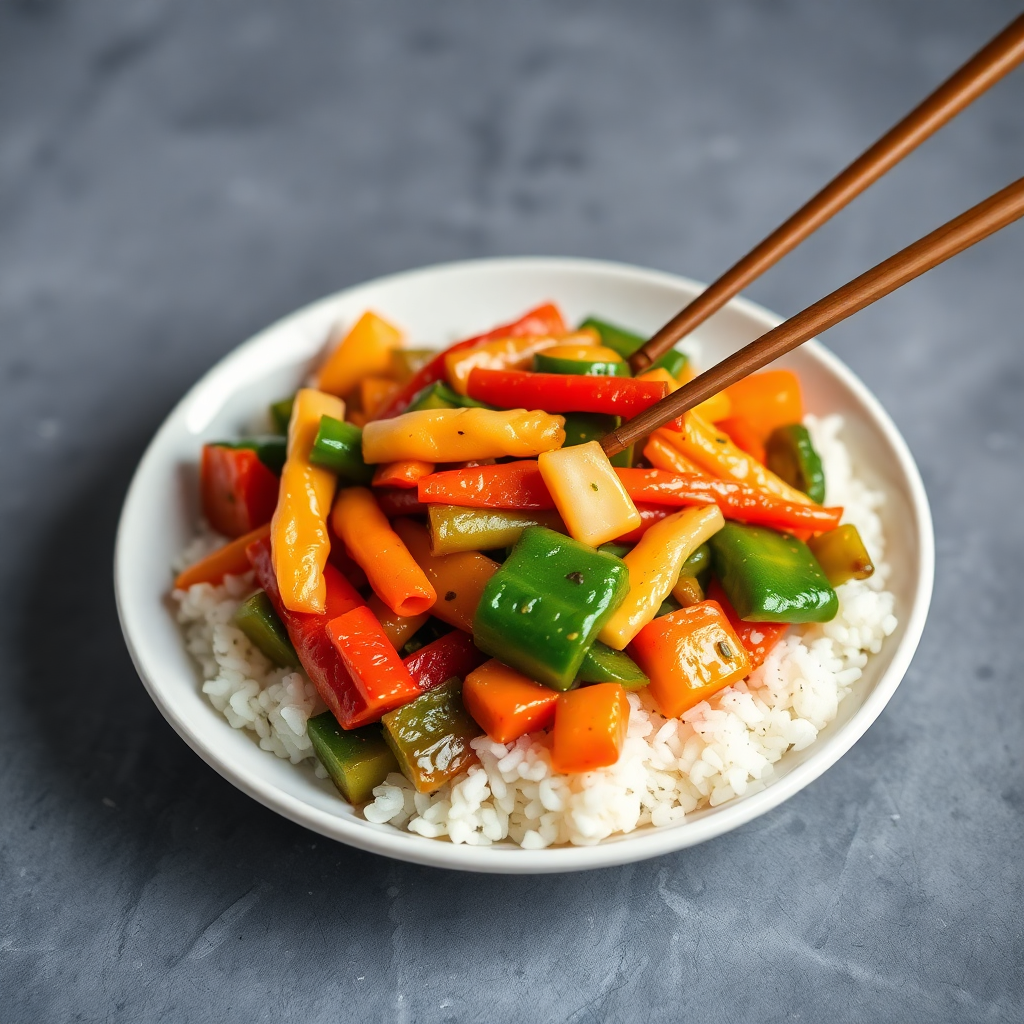

There’s something electric about cooking with a wok. The heat is higher, the cooking is faster, and the flavors come together in a way that feels bold and immediate. A good wok lets you sear, toss, and caramelize in minutes, creating that signature depth you just cannot get from slow simmering.
If you’re looking to explore Asian cooking at home, these five recipes are the perfect place to start. Each one highlights classic wok technique, balanced flavor, and approachable ingredients that work beautifully in a home kitchen.

YOSUKATA 13.5″ Carbon Steel Flat Bottom Wok — A versatile, traditional carbon steel wok with a flat bottom that’s perfect for home cooks. Its excellent heat distribution and pre-seasoned surface make it ideal for high-heat stir-frying, searing, and tossing your favorite Asian dishes — from fried rice and noodles to crisp-tender vegetables. Compatible with gas, electric, ceramic, and induction stovetops.

Carbon Steel Wok with Glass Lid & Silicone Spatula (13″) — This complete wok set includes a clear glass lid and a silicone spatula, perfect for beginner cooks. The glass lid lets you monitor your food without lifting heat, while the ergonomic handles and balanced design make stir-frying easier and safer. Excellent for everyday wok recipes and weeknight meals.

Babish 13-inch Carbon Steel Wok — A highly rated wok that brings reliable performance to your kitchen without breaking the bank. Made from durable carbon steel, it heats up quickly and builds a natural non-stick patina over time. Its flat bottom ensures stability on most stovetops, making it a go-to choice for stir-frying meats, veggies, and noodles with that perfect wok-hei sear.
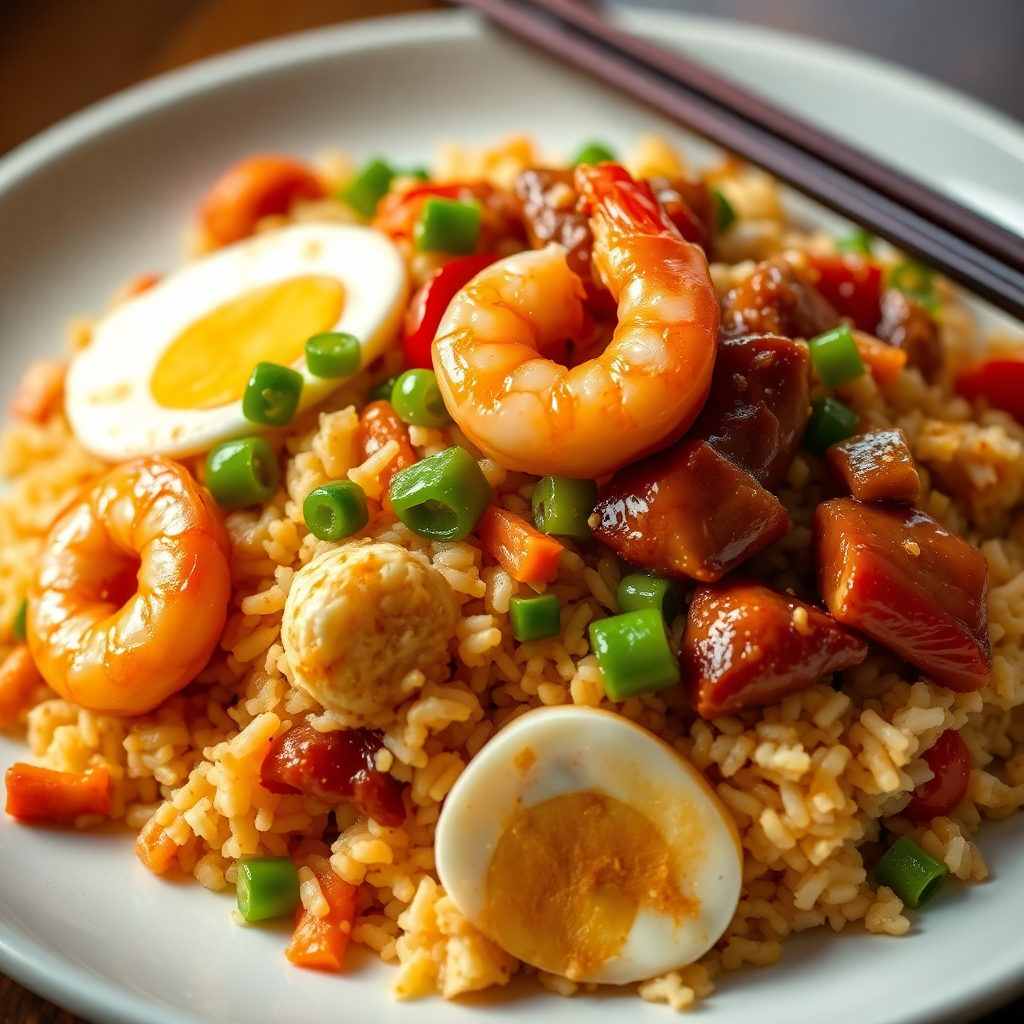
1. Classic Yangzhou Fried Rice
Yangzhou fried rice is a celebration of texture and balance. This version stays true to tradition with fluffy rice, scrambled egg, tender shrimp, savory char siu pork, and crisp vegetables all tossed together over high heat.
Flavor profile:
Savory and deeply umami with subtle sweetness from carrots and scallions. White pepper adds gentle warmth, while sesame oil rounds everything out with a nutty finish.
Why it works in a wok:
Day-old rice fries instead of steams, giving you distinct grains and light caramelization. The wok’s heat ensures the eggs stay tender and the proteins stay juicy.
Pro tip: Always chill your rice ahead of time. Fresh rice will clump and turn mushy.
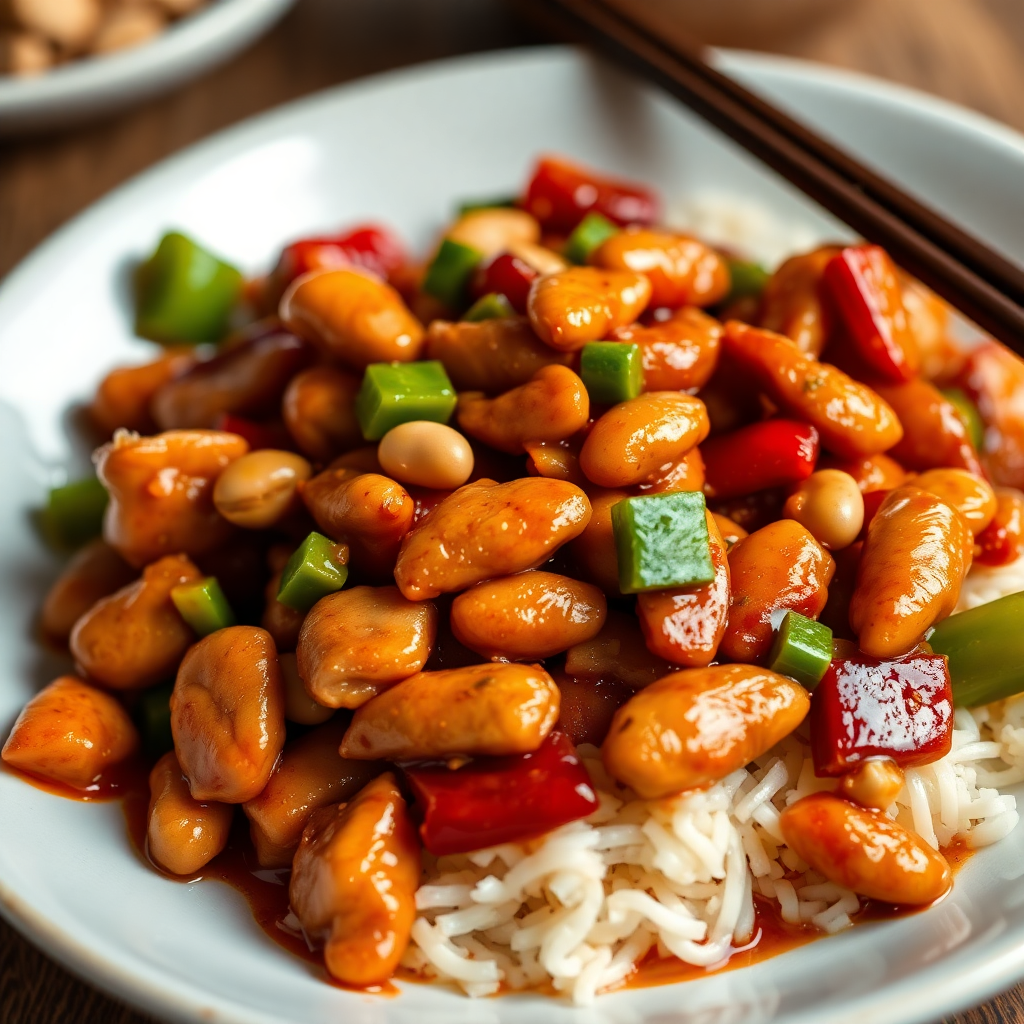
2. Classic Kung Pao Chicken
Few dishes showcase wok cooking like Kung Pao Chicken. This Sichuan-inspired favorite balances heat, sweetness, acidity, and crunch in one unforgettable bite.
Flavor profile:
Bold and layered. Dried chilies bring smoky heat, Sichuan peppercorns add that signature numbing sensation, and the sauce balances soy sauce, vinegar, and a touch of sugar. Roasted peanuts provide crunch and richness.
Why it works in a wok:
Quick, high heat keeps the chicken tender while allowing the aromatics to bloom without burning.
Pro tip: Toast the Sichuan peppercorns briefly before grinding to deepen their citrusy aroma.
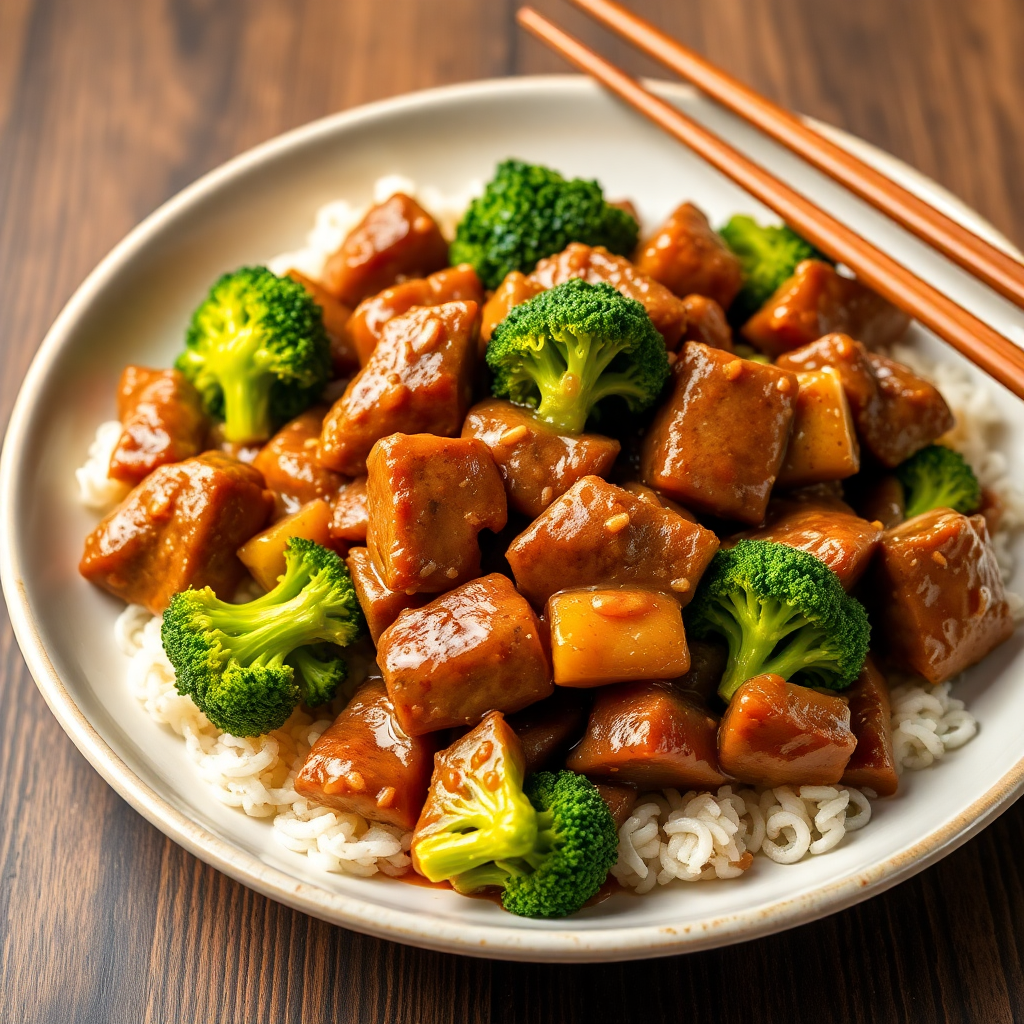
3. Classic Beef and Broccoli Stir-Fry
This Chinese-American favorite is a weeknight staple for a reason. Thin slices of beef cook in seconds, while broccoli stays bright and crisp.
Flavor profile:
Rich, savory, and slightly sweet. Garlic and ginger provide warmth, and the cornstarch-thickened sauce clings beautifully to the beef and broccoli.
Why it works in a wok:
The curved surface allows you to sear the beef quickly before tossing everything together in sauce, preventing overcooking.
Pro tip: Slice the beef thinly against the grain for maximum tenderness.
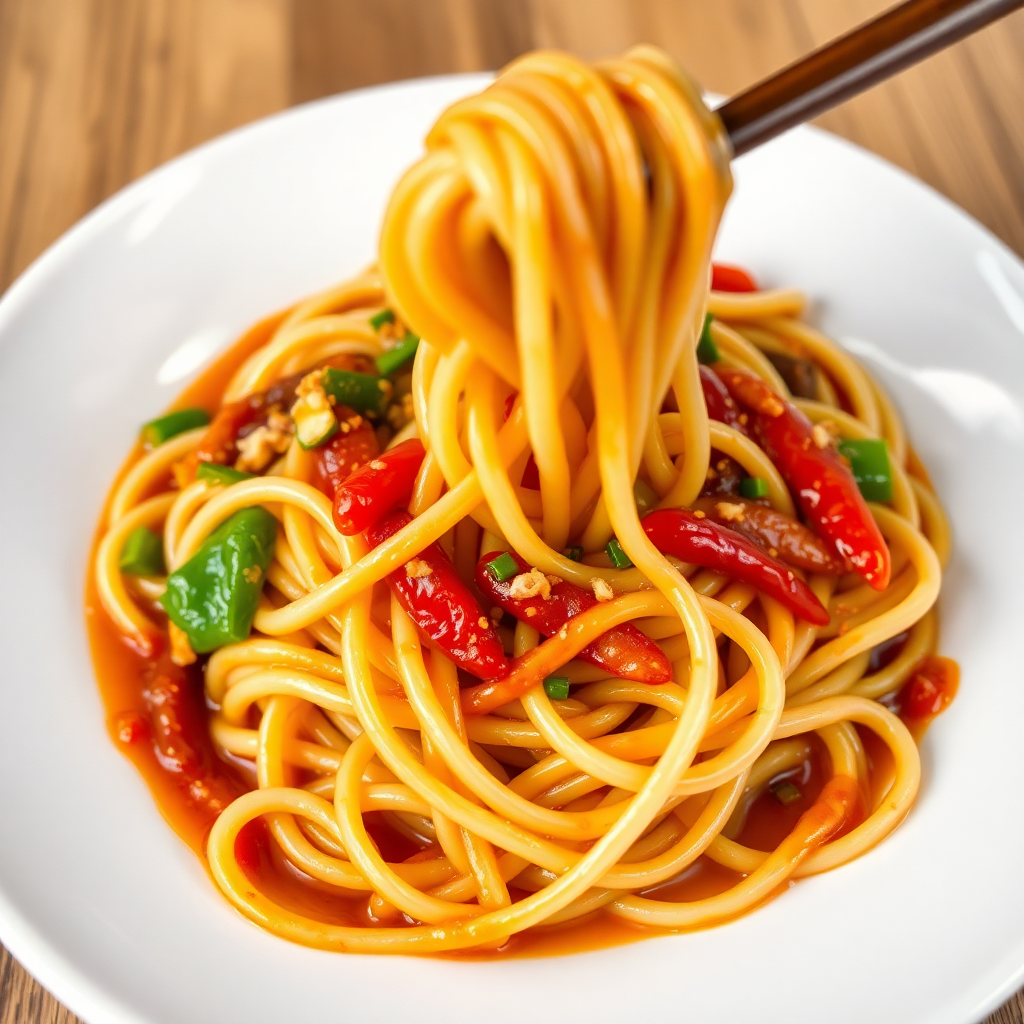
4. Spicy Garlic Udon Stir-Fry
This noodle dish leans slightly fusion, but it delivers big flavor with minimal effort. Thick udon noodles soak up a garlicky, savory sauce that hits all the right notes.
Flavor profile:
Pungent garlic and ginger lead the way, followed by savory soy, a touch of sweetness from hoisin, and steady heat from red pepper flakes. Bell peppers and scallions add freshness and crunch.
Why it works in a wok:
The wide surface helps evenly coat the noodles in sauce without turning them sticky or overworked.
Pro tip: Loosen fresh udon gently before adding it to the wok so the noodles separate evenly.
5. Classic Vegetable Stir-Fry
Simple does not mean boring. A well-executed vegetable stir-fry highlights the natural sweetness and crisp texture of fresh produce.
Flavor profile:
Light, clean, and savory with ginger, garlic, soy sauce, and a touch of sesame oil. The vegetables stay vibrant and slightly crisp.
Why it works in a wok:
High heat preserves texture while enhancing natural sweetness through quick caramelization.
Pro tip: Add vegetables in stages based on density. Hard vegetables first, delicate ones last.
Why Cooking with a Wok Changes Everything
Across these recipes, a few themes stand out:
- •High heat creates better texture and flavor
- •Sauces balance sweet, salty, spicy, and umami elements
- •Timing matters more than complexity
- •Prep everything before you turn on the heat
Wok cooking is fast, flavorful, and deeply satisfying. Once you master these five recipes, you’ll have a foundation that lets you experiment confidently with your own combinations of proteins, vegetables, and sauces.
If you have a wok sitting in your cabinet, this is your sign to pull it out and fire it up.