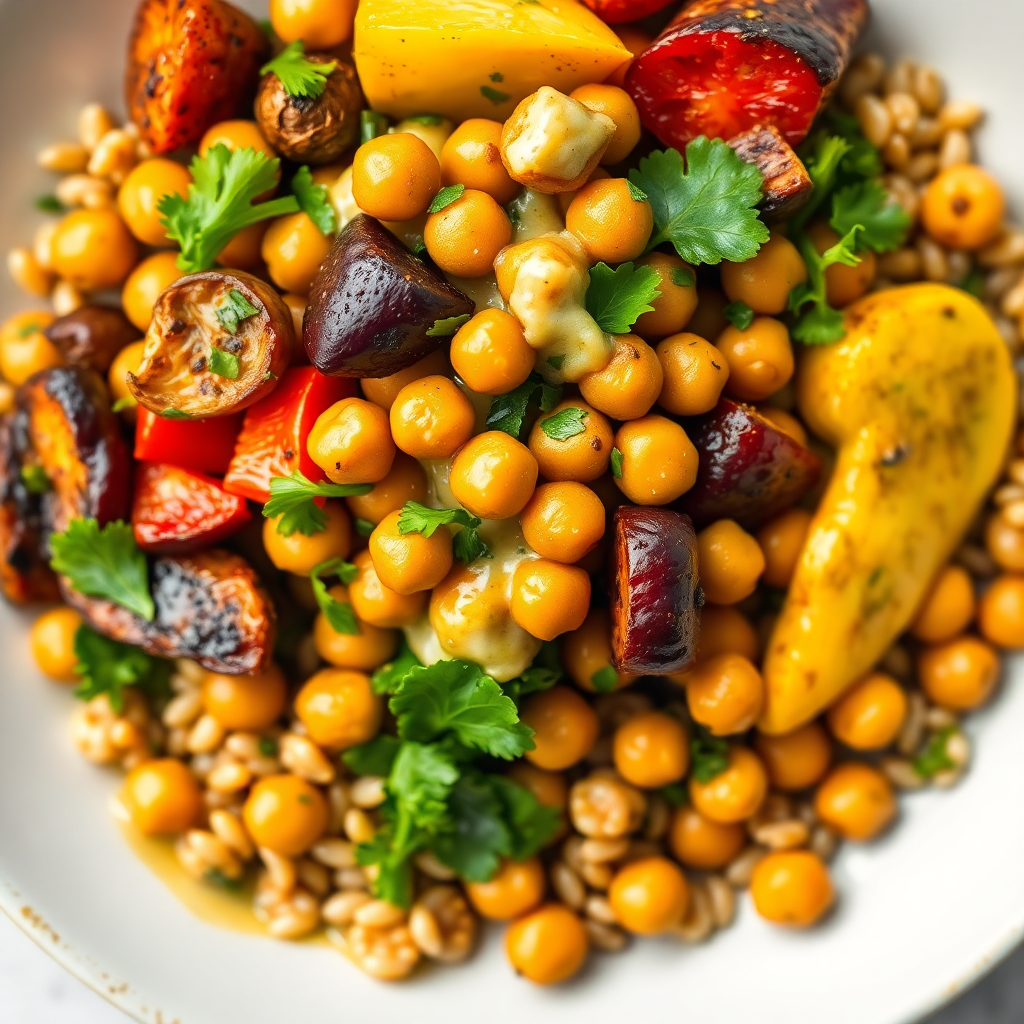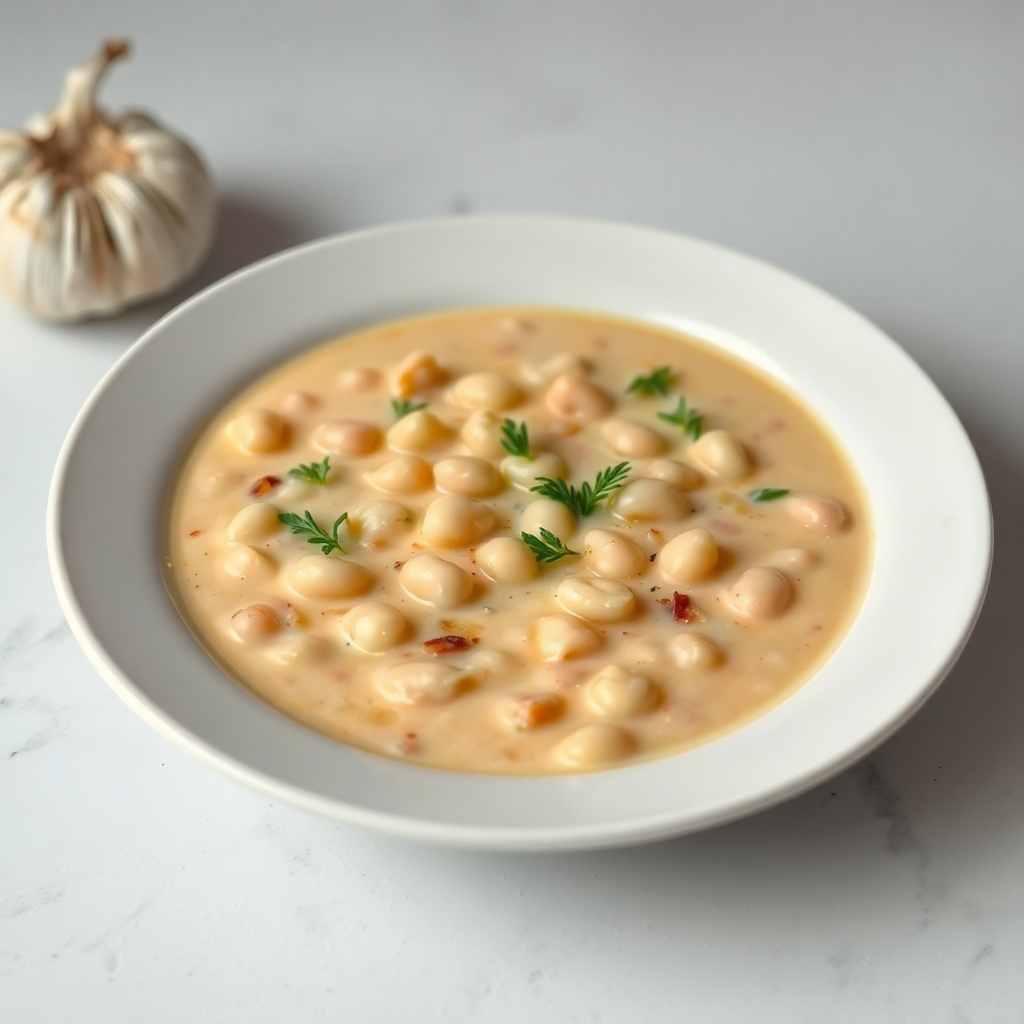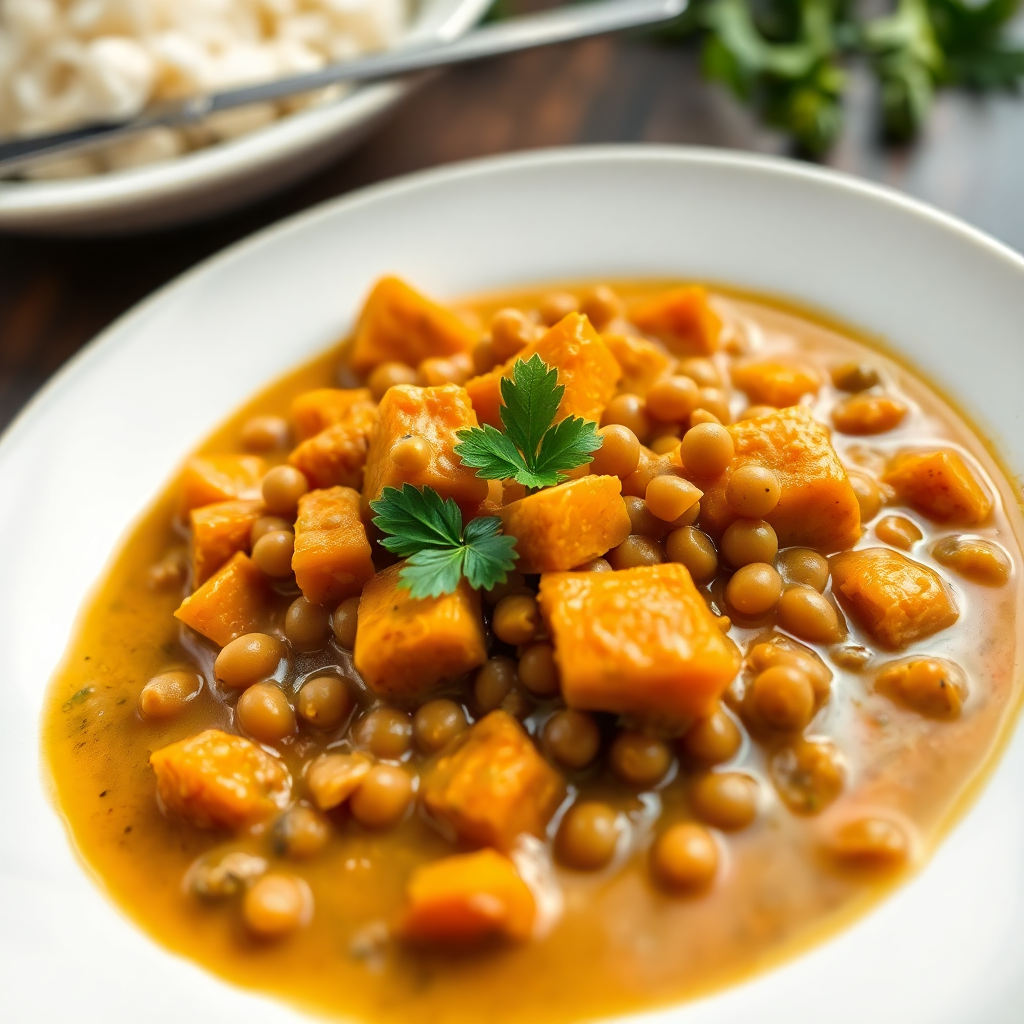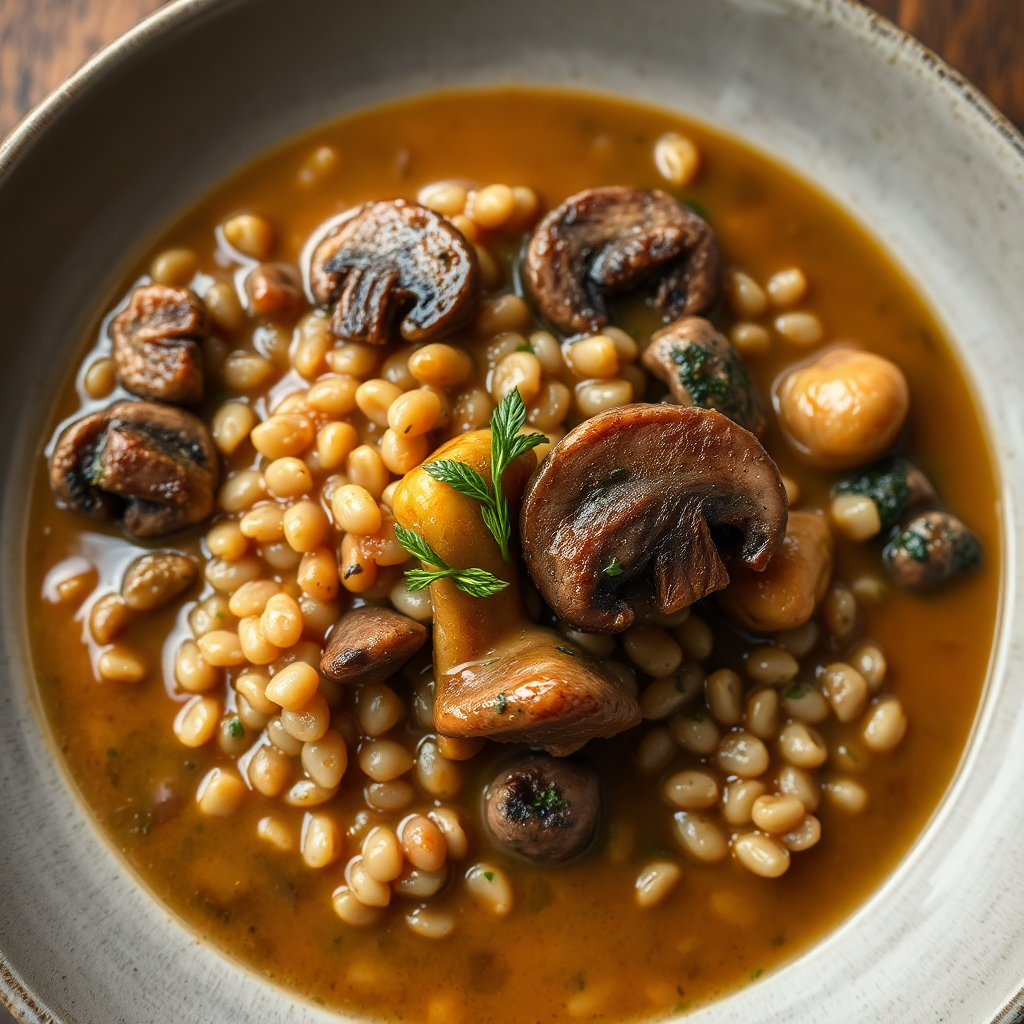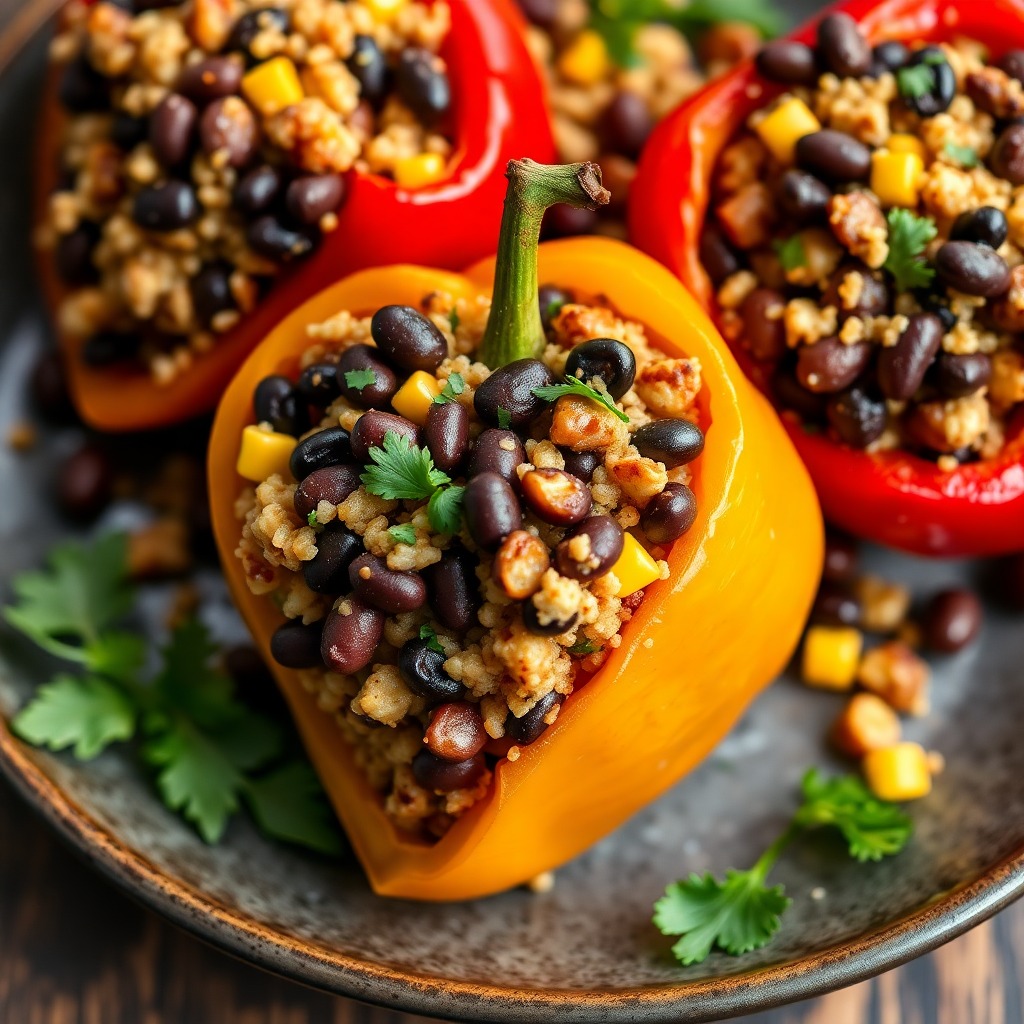

Some cooking shifts happen slowly. A new grain here, a roasted vegetable there. Others sneak up on you through repetition. A pot of beans that turns into three meals. A simple dinner that somehow leaves you feeling better the next day.
For me, whole-food, plant-based cooking didn’t start as a goal or a trend I set out to follow. It showed up quietly, through the meals I kept coming back to. The ones that felt grounding, affordable, and genuinely satisfying. Over time, I realized those meals all had something in common. They were built from real ingredients, cooked simply, and centered on plants without trying too hard to be anything else.
Starting With Ingredients, Not Labels
The term “plant-based” gets used everywhere now, and it can mean a lot of different things. What I’ve been drawn to lately is a much simpler idea. Cooking with ingredients that look like food when you buy them.
Vegetables, beans, lentils, whole grains, nuts, seeds. That’s the foundation. Meals come together around what’s in season, what’s already in the pantry, and what will actually get eaten during a busy week.
This way of cooking feels less like following rules and more like trusting a process. You start with good ingredients and let technique do the rest.
What Whole-Food, Plant-Based Cooking Looks Like at Home
In practice, this style of cooking is flexible and forgiving. A pot of lentils might become a soup one night and a grain bowl the next. Roasted vegetables can anchor dinner, then get folded into lunch the following day. Nothing feels locked into a single use.
I’ve also noticed that cooking this way makes me a more attentive cook. Without relying on packaged sauces or shortcuts, you start paying attention to seasoning, texture, and balance. That’s where the flavor comes from.
Flavor Is Built, Not Bought
One of the biggest myths about plant-forward cooking is that it lacks depth. In reality, whole foods respond beautifully to simple techniques.
Roasting vegetables until they caramelize. Toasting spices before adding liquid. Finishing dishes with a splash of acid to wake everything up. These small steps add layers of flavor that feel intentional, not forced.
Once you get comfortable with these basics, whole-food cooking stops feeling limiting and starts feeling expansive.
The Meals I Keep Cooking on Repeat
These are the kinds of dishes that show up regularly in my kitchen. They rely on pantry staples, adapt easily to what’s in season, and hold up well as leftovers. You can generate any of these in Recipe Boss and tweak them to fit your style.
These are starting points, not strict formulas. Swap vegetables, adjust spices, and use what you have. That flexibility is part of what makes this approach sustainable.
A Pantry That Supports This Way of Cooking
You don’t need a long or specialized shopping list to cook this way. A few dependable staples make all the difference.
Beans and lentils, whole grains like brown rice or farro, canned tomatoes, nuts, seeds, olive oil, and a handful of spices you actually use. With those on hand, meals come together quickly without much planning.
On the tools side, I rely on the same basics over and over. A sturdy sheet pan, a good blender for soups and sauces, and containers that make leftovers easy to store and reuse.
Why This Way of Cooking Sticks
Whole-food, plant-based cooking fits into real life. It works on a budget. It adapts to different eating styles. It leaves room for flexibility without feeling chaotic.
More than anything, it brings ease back into the kitchen. Cooking feels less like something to manage and more like a habit that supports the rest of your day.
If you’ve been curious about cooking with more plants, starting with whole foods is a natural place to begin. It’s simple, practical, and endlessly adaptable. And once it clicks, it’s the kind of cooking you’ll want to keep coming back to.
Sheet Pan Set — Perfect for Roasting Veggies

Wildone Stainless Steel Baking Sheet Set (3-Pack) – A heavy-duty set of baking sheets in three sizes that’s great for roasting seasonal vegetables, baking tofu, or sheet-pan dinners. These stainless steel pans are non-toxic, easy to clean, and hold up well under high heat — a staple when you’re cooking whole ingredients from scratch.
Blender — For Smoothies, Sauces & Soups

:contentReference[oaicite:1]{index=1} – This versatile blender has a 6-cup glass jar and four speed settings, so you can blend everything from creamy smoothies to soups and sauces. Its sturdy glass jar and dishwasher-safe parts make cleanup a breeze, and the QuadPro blades tackle whole plant foods with ease.
Meal Prep Containers — For Planning Ahead

:contentReference[oaicite:3]{index=3} – A set of borosilicate glass meal prep containers with airtight lids — ideal for storing soups, grains, roasted veggies, and lunches on the go. Oven, freezer, microwave, and dishwasher safe (lids excluded), these make batch cooking and leftovers easy and organized.